RSS

Category Archives: Inspirational Sips

Daily Inspirational Sip

Daily Inspirational Sip

Avoiding Orthorexia: Maintaining Nutritional Balance at College

Contributor: Rita Ekelman, RDN, LDN, MBA, Director of Nutrition Services, Timberline Knolls Residential Treatment Center

Rita Ekelman photoEating healthy food is an advisable, even laudable, pursuit in today’s world of fast food dining and the highly touted obesity epidemic.

But, just as most people know that one alcoholic drink may be fine, but ten are too many, behavioral health professionals also recognize that healthy eating when done to an extreme can be very dangerous, even lethal.

Orthorexia Nervosa

The term orthorexia was coined in 1997 by Dr. Steven Bratman, the author of the book Health Food Junkies.

This is defined as an obsession with righteous eating. Although this definition appears relatively benign, this eating disorder is anything but.

Those with orthorexia are dangerously addicted to all things healthy. Their devotion to “clean eating” transcends mere practice and ultimately functions more like a religion.

Preoccupied with Nutrition and “Purity”

They are inordinately preoccupied with the nutritional content of what they eat, avoid all foods they deem to be “unhealthy,” and often spend extreme amounts of time and money in search of the “most pure” foods.

Their passion is not confined to personal food consumption, but is frequently global in nature. If any food item can be even tangentially connected to destruction of wildlife, deforestation of the planet, the polluting of ground water, or any other such unacceptable activity, then that food is demonized.

This pathological obsession permeates all aspects of their lives. They must bring food with them everywhere and often refuse to travel due to the tremendous fear that clean food will not be available.

Healthy Habits Taken to the Extreme

coffee-506761_640As with so many eating disorders, it can begin innocently. An individual may genuinely desire to eat in a healthier fashion in order to take better care of their body. This may start with eliminating white sugar and flour, cutting out processed foods, and ramping up fruit and vegetable intake.

If the pursuit of good nutrition and health stops there, the goal would be achieved. However, when in the grip of orthorexia, the pursuit never ends. Foods are labeled “good” and “bad; very few foods are deemed pure enough for inclusion in the first group.

A Healthy Eating Obsession

Untold hours are spent reading books or medical journals on healthy eating or scouring the internet for the latest research that validates their commitment to clean eating. If a study fails to reinforce their chosen lifestyle, it is eschewed as bad research.

An equal, or an even greater amount of time, is spent dissecting ingredient labels on food products, convinced that deadly toxins, artificial chemicals or non-life-affirming materials lurk somewhere inside, just waiting to be discovered.

The committed orthorexic will unearth these items, then righteously return the food to the store shelf.

The Damage of Orthorexia

berry-197077_640This dedication to disordered eating eventually damages social relationships for a number of reasons. An orthorexic rarely goes to restaurants. Even ordering a salad with no dressing can cause severe anxiety; they do not know where the produce was harvested, if pesticides were involved in growing the lettuce, or if dye was injected into the tomatoes to make them appear more vibrantly red.

How Orthorexia Hurts People Socially

If invited to a dinner party, they will come late, claiming to have already eaten. And the impact on relationships doesn’t end there. They genuinely believe that the way they are conducting their lives is absolutely right; therefore, everyone else, by default, is wrong.

They will spend hours proselytizing to friends, hoping for converts. Outright lectures on the evils of junk food or refined food are not out of the realm of possibility.

The Relationship with Anorexia

Although orthorexia and anorexia are very different disorders, they are similar in certain regards. Anorexia results in weight loss due to the refusal of food, whereas orthorexia leads to diminished weight due to the refusal to consume anything but pure food.

Both conditions are highly restrictive, rigid and defined by complicated rules. Prolonged anorexia or orthorexia can lead to anemia, other glandular disorders, amenorrhea (discontinuation of the menstrual cycle), and death due to malnutrition.

Young women with anorexia are 12 times more likely to die than are other women the same age that don’t have anorexia.

Food Is Synonymous with Fear

beach-387377_640Those with anorexia or orthorexia are completely obsessed with the thought of food and suffer high levels of anxiety when confronted with it; the bottom line is that food is synonymous with fear.

They also often share certain personality traits such as perfectionism and the need to control. If they exercise, they do so fanatically, working out several times a day.

Interestingly, those with these disorders are often very proud of their behaviors, perceiving themselves as better than others because of the intense self-discipline required to live as they do.

The Line Between Health and Obsession

The line between health and obsession is not always clear. Consider the following:

  • Consuming a nutritionally unbalanced diet because of concerns about “food purity.”
  • Preoccupied with how eating impure or unhealthy foods will affect your physical or emotional health.
  • Rigidly avoiding any food you deem to be “unhealthy,” such as those containing fat, preservatives, additives or animal products.
  • Spending three or more hours per day reading about, acquiring or preparing certain kinds of food you believe to be “pure.”
  • Feeling guilty if you eat foods you believe to be “impure.”
  • Being intolerant of other’s food beliefs.
  • Spending an excessive proportion of your income on “pure” foods.

If these behaviors describe you, or someone you know, seeking help from a professional is advised.

This article is found at http://www.eatingdisorderhope.com/information/orthorexia-excessive-exercise/avoiding-orthorexia-maintaining-nutritional-balance-at-college


Tags: ,

Daily Inspirational Sip

Daily Inspirational Sip

Myth or Fact: Cravings

Are food cravings myth or fact? The argument is an old one. The argument that cravings are a myth rests on the belief that it is just a matter of a little will power, and that your giving into food cravings shows weakness that can be easily corrected. On the other side is the argument that cravings are real. Whether cravings are triggered by pregnancy, stress, or just feeling run down and running on empty, the brain may be sending out signals that the body needs certain nutrients.

Sodium Cravings

Pregnant women may crave salty chips and pickles, which are high in sodium, because of increased blood volume and not enough sodium to take up the slack. Anyone who is not pregnant but is sodium deficient might get a pickle or salty food craving too. A persistent craving for salty foods, however, may signal a glandular problem. If you have a persistent salty food cravings you should consult a doctor to see if there is some kind of imbalance that needs attention.

Chocolate on Overdrive

When you crave a chocolate bar, your body may actually be crying out for more magnesium, which is a component of chocolate. Feeling weary after a hard day’s work or stressed out over people who aggravated you may trigger a craving for a chocolate fix. Even if you aren’t crazy about chocolate you might crave sugary foods during pregnancy, your PMS cycle, or any other times when you’re feeling low. There are ways to fight these cravings. You can choose substitutes for the craving that tempts you the most.

Food Substitutes

Nutritionists have two kinds of advice about food cravings. One camp essentially says, “Go with the flow. Want the chocolate bar? Buy it. Want the bag of pretzels? No problem.” Their caveat is to eat just a small portion of whatever you crave. The theory is that once your body is satisfied, your craving will disappear. Opposing camps say the opposite. They think that it’s more difficult to stop after one small bag of cookies or pretzels. Their advice is to substitute other foods for sweet and salty junk foods, so that you will feel satisfied and will take in far fewer calories.

If you’re craving chocolate, try eating spinach, which has the magnesium that your body may be craving. Wanting a snack that is very sweet? Eat a sweet potato or a piece of fruit, and the craving is likely to subside.

Hungering for something salty? Drink plenty of fluids and make sure that you eat three balanced meals a day. Sodium occurs naturally in many foods, so you don’t need to worry, in normal conditions, that you are not getting enough sodium. Assuming that you do not have an underlying medical condition, the craving might occur because you are simply used to chips and other snacks, and you just need to reprogram your diet. Nutritionists say that salty cravings, assuming they are mere habit, do go away on their own when you put a stop to frequent snacking on salty foods.

This article is found at http://www.fitday.com/fitness-articles/nutrition/healthy-eating/myth-or-fact-cravings.html


Tags: ,

Daily Inspirational Sip

Daily Inspirational Sip

Foods to Get You Fit and Beautiful

Our guide to beauty foods gives new meaning to “You Are What You Eat.”

This article and pictures found at http://www.cookinglight.com/eating-smart/nutrition-101/beauty-foods


Tags: ,

Daily Inspirational Sip

Daily Inspirational Sip

7 Signs of Inadequate Nutrition

By
WebMD Feature
Reviewed by Louise Chang, MD

Getting adequate nutrition may be trickier for older adults. Because seniors tend to be less active than younger people, they need fewer calories. Yet research shows that older people may need more of certain key nutrients, such as B vitamins and calcium.

Unfortunately, nutrient deficiencies and malnutrition can persist for a long time before they show up in physical signs or symptoms. Still, there are a few indicators you — and your doctor — can watch for.

1. Unexplained Fatigue

Fatigue is a common side effect of iron deficiency, which can lead to anemia, indicated by low levels of red blood cells. Anemia can also show up as abnormal paleness. But remember: Other conditions can cause excessive fatigue, including heart disease, depression, or thyroid disease.

It’s wise to alert your doctor if you feel unusually weak or tired. Your doctor may prescribe supplements if you have anemia.

2. Brittle and Dry Hair

Hair, which is made up mostly of protein, serves as a useful diagnostic marker for nutritional deficiencies.

“When an older person’s hair looks brittle, dry, and sparse, it’s often a sign that their diet is inadequate,” says Kathleen Niedert, RD, director of clinical nutrition and dining services for Western Home Communities in Iowa.

Brittle hair can signal a deficit of essential fatty acids, protein, iron, and other nutrients. Some hair loss is usual with age, of course. But if hair begins to fall out at an unusual rate, nutrient deficiencies may be the cause. Once your doctor identifies the deficiencies, you can treat them with nutrient-rich foods and supplements.

3. Ridged or Spoon-Shaped Nails

Like hair, nails serve as an early warning sign of an inadequate diet. A spoon-shaped nail, in which the nail curves up from the nail bed like a spoon (a condition called koilonychia) can be an indicator of iron-deficiency anemia.

If you have iron-deficiency anemia, your doctor may recommend iron pills and iron-rich foods such as liver and shellfish like clams, oysters, and mussels.

4. Mouth Problems

Cracking or inflammation at the corners of the mouth (a condition called angular cheilitis) can be a warning sign of either riboflavin (B2) deficiency or iron deficiency. An unusually pale or swollen tongue is a warning sign of iron or B-vitamin deficiency. A condition called burning mouth syndrome, which continues to puzzle researchers, may arise when iron, zinc, or B-vitamin levels fall below the required level.

Again, once you’ve confirmed your specific nutritional deficiencies, they can be treated with nutrient-rich foods and supplements.

5. Diarrhea

Chronic diarrhea can be a sign of malabsorption, which means nutrients are not being fully absorbed by your body. Malabsorption can be triggered by infection, surgery, certain drugs, heavy alcohol use, and digestive disorders such as celiac sprue and Crohn’s disease.

It’s important to consult your doctor if you experience persistent diarrhea.

6. Apathy or Irritability

Unexplained mood changes, especially feeling apathetic or irritable, can be symptoms of a serious medical illness like depression. But they can also be symptoms that your body isn’t getting the energy it needs.

If you have persistent low mood or forgetfulness, it’s important to get checked out by your doctor.

7. Lack of Appetite

With age, appetite often diminishes. Taste buds lose their sensitivity. Because seniors tend to be less active, they require fewer calories. Medications can also dampen appetite.

“Chronic lack of appetite is a serious warning sign that you may be at risk of nutritional deficiencies,” says Nancy Wellman, RD, past president of the Academy of Nutrition and Dietetics. If you find yourself skipping meals because you’re not hungry, talk to your doctor.

Blood tests can indicate if you’re deficient in a number of key nutrients. By assessing your food intake, a registered dietitian can also spot nutritional deficiencies.

“The important thing is to alert your doctor quickly if your appetite changes or you begin skipping meals,” says Wellman. That way, you can head off nutritional problems before they cause serious trouble.

This article found at http://www.webmd.com/healthy-aging/features/nutrition-aging-7-signs-inadequate-nutrition


Tags: ,

Daily Inspirational Sip

Daily Inspirational Sip

Nutrition – women’s extra needs

Women need greater amounts of certain nutrients than men, particularly iron and calcium. Menstruation, pregnancy, lactation and menopause are times of increased nutritional demand. Deficiencies can occur if the diet is inadequate over a long period of time.
Women’s nutritional needs change during menstruation, pregnancy, breastfeeding and menopause. A woman’s reproductive life means that her nutritional needs differ greatly from those of a man.

With the popularity of crash dieting in Australia, nutritional deficiencies are common, especially among young women. Good nutrition means eating a wide variety of foods every day, which isn’t possible on a restrictive diet.

Nutrition and premenstrual syndrome (PMS)

The interplay of hormones throughout a woman’s menstrual cycle affects her body and state of mind. Energy intakes are generally higher in the premenstrual phase and some women also have food cravings as their period approaches.

Eating high-protein foods every few hours can often temper or stop food cravings. This should not be done at the expense of other food groups, especially carbohydrates, which should form the basis of the diet.

Fluid retention is common in the days leading up to a woman’s period because certain hormones encourage the body to hold salt (sodium). The more sodium the body holds, the more fluid is retained in the tissues.

Other common symptoms of premenstrual syndrome (PMS) include moodiness, tiredness and constipation. Taking B-group vitamins, particularly vitamin B6, may help, but more research is needed to confirm this.

Light to moderate exercise, such as a 30-minute brisk walk each day, has also been shown to noticeably reduce symptoms of PMS.

Iron and anaemia

Iron is a mineral that works with other substances to create haemoglobin, the compound that carries oxygen in the blood. Women and men metabolise iron from food at roughly the same rate. However, while men need around 8 mg of iron in their daily diet, women need up to 18 mg (or 27 mg if pregnant).

Women need more iron than men to make up for the amount of iron they lose in their menstrual period. Around 1 mg of iron is lost for every day of bleeding.

Iron deficiency is the most common nutrient deficiency in women. Insufficient iron can lead to anaemia. Common symptoms of anaemia include tiredness and breathlessness. Iron is especially important during pregnancy.

Sources of iron

Good dietary iron sources include:
Red meat, chicken and fish
Fortified cereals
Legumes and nuts
Leafy green vegetables.

Iron absorption can be impaired by very high-fibre diets, alcohol, the tannic acid in tea and concentrated sources of calcium (for example, calcium supplements).

Vitamins, minerals and pregnancy

Eating healthily during pregnancy is important to meet the nutritional needs of the developing baby and for the mother’s own wellbeing. However, this doesn’t mean ‘eating for two’ – it is the quality of the diet that is important, not the quantity of food eaten.

Eating a variety of foods from each of the key food groups is generally enough to meet both mother and baby’s requirements. Special attention should be given to calcium, folic acid (folate), iron, zinc. Iodine and vitamin C.
Calcium

Although a developing baby needs a lot of calcium, physiological changes during pregnancy help to protect the mother’s bones, so there is no need for extra dietary calcium during pregnancy. However, it is important to include at least two to three serves of dairy products or equivalent high-calcium foods every day.

Good sources of calcium include milk, cheese, yoghurt and fish with edible bones (for example, salmon and sardines).

Folic acid (folate)

Extra folic acid is needed for the development and growth of new cells. Research suggests that insufficient folic acid at the time of conception and in the first trimester of pregnancy can increase the risk of neural tube defects in the unborn baby.

Folate is present in a variety of vegetables and fruits, as well as legumes, nuts, yeast extracts such as Vegemite, and fortified foods such as bread and some breakfast cereals.

Iron

Iron requirements increase significantly during pregnancy as maternal blood volume increases and the baby’s blood system is developing. Iron deficiency in pregnant women increases the risk of having a preterm or low birth weight baby, which can have a negative impact on the short and long-term health of the baby.

The best source of iron is red meat, with smaller amounts in chicken and fish. Iron is also present in plant foods such as legumes, nuts, wholegrain breads and cereals, and green leafy vegetables, but it is not absorbed as well from these foods.

Eating foods rich in Vitamin C alongside iron-rich foods can improve iron absorption. Iron supplements are frequently prescribed for pregnant women if they are unable to meet their requirements through food alone.

Zinc

This nutrient is needed to maintain the health of cells. Taking iron supplements may interfere with the absorption of zinc, so women taking iron supplements should continue to eat iron-rich foods, which are also a good source of zinc.

Iodine

Iodine is needed for normal mental development of the baby, but it can be difficult to get enough from food. Ways of increasing iodine intake include using iodised salt, eating fish and seafood weekly (see your health professional for advice about safe types and amounts of fish), or using a multivitamin supplement that contains iodine and is safe for pregnancy.

Vitamin C

Vitamin C is important for normal gum, tooth, bone and body tissue formation. One of the best sources of Vitamin C is oranges, but it is also found in other fruits, particularly papaya and strawberries, and a variety of vegetables, including red capsicum and broccoli.

Nutrition during breastfeeding

A healthy diet is important during breastfeeding because the mother must provide for her own nutrient requirements, as well as for the production of breastmilk. Particular attention needs to be paid to protein, calcium, iron, vitamins and fluids.

The best advice is to eat a variety of foods from each of the key food groups each day. The amount of extra food will vary according to appetite needs and weight loss. Aim to lose weight gradually until you have reached your pre-pregnant weight.

Women who were anaemic during pregnancy should pay special attention to iron-rich foods as they will need to replace their iron stores. It may be necessary to continue taking iron supplements – be advised by your doctor.

Calcium and osteoporosis

Osteoporosis is a disorder characterised by thinning of the bones until they are weak and easily fracture or break. Women are at greater risk of developing osteoporosis than men, particularly after menopause, because oestrogen levels are reduced.

Many factors are involved in the development of osteoporosis, including:

Low calcium intake during the growing years increases susceptibility to osteoporosis later in life. Bone strength in later life depends on the development of bones earlier in life. Adequate calcium intake during youth is essential to achieve peak bone mass
Salt, caffeine and alcohol intake may interfere with the balance of calcium in the body by affecting the absorption of calcium and increasing the amount lost in the urine. Moderate alcohol intake (one to two standard drinks per day) and moderate tea, coffee and caffeine-containing drinks (no more than six cups per day) are recommended. Avoid adding salt at the table and in cooking
Exercise, or the lack of it, can affect the development of osteoporosis
Maintaining a low body weight (body mass index (BMI) less than 18) has been associated with the development of osteoporosis.

Vitamin D and calcium

Vitamin D increases calcium absorption and is required for normal bone metabolism. The main source of vitamin D for most people is sunshine.

Women who have very low levels of sunlight exposure or have naturally very dark skin are at risk of vitamin D deficiency. Those affected may include women who cover most of their body when outdoors, shift workers, those who are unable to regularly get out of their house or women in residential care. Women who have certain medical conditions or are on some medications may also be affected.

It is important to balance the need to maintain adequate vitamin D levels with the risk of skin cancer from too much sun exposure. A sensible balance of sun protection and exposure can ensure that women are not at risk of vitamin D deficiency.

Good dietary sources of vitamin D are margarine, eggs and oily fish (such as mackerel and sardines).

Good sources of calcium include dairy foods, calcium-fortified soymilk and fish with edible bones. For women who can’t eat these foods, calcium supplements may be desirable.

Phytoestrogens

Phytoestrogens have been linked to a range of health benefits, especially for women. They are natural substances found in certain plant foods including:
Whole grains, including cracked wheat and barley
Flaxseed (linseed)
Sesame seeds
Nuts, including almonds
Legumes, especially soy and chickpeas
Alfalfa sprouts
Herb teas, especially sage and aniseed
Extra virgin olive oil.

Phytoestrogens are natural oestrogen-like substances. Oestrogen is a hormone that is necessary for optimal health.

There is a link between oestrogen levels and the development of heart disease, cancer and osteoporosis. At present, there is no evidence that increasing the intake of phytoestrogen will prevent heart disease, cancer and osteoporosis.

Where to get help
Your doctor
An Accredited Practising Dietitian
Community health centre

Things to remember
Low intakes of dietary iron and calcium are common in women.
Menstruation, pregnancy, breastfeeding and menopause are times of increased nutritional demand.
Good nutrition means eating a wide variety of foods every day.

Vitamin B6 can help ease the symptoms of premenstrual syndrome.
Large quantities of foods like tea, alcohol, caffeine and salt can interfere with the absorption and excretion of important minerals.

This article found at
http://m.betterhealth.vic.gov.au/bhcv2/bhcarticles.nsf/mskpages/Nutrition_womens_extra_needs?open


Tags: ,

Daily Inspirational Sip

NutritionMD.org :: Venous Insufficiency and Varicose Veins: Nutritional Considerations

Chronic venous insufficiency and varicose veins appear to be related to an obesity–promoting Western lifestyle that is low in dietary fiber and physical activity. Evidence suggests that avoidance of these risk factors may reduce the incidence of venous disorders.

In observational studies, the following factors are associated with reduced risk of venous disorders:

High–fiber diets: Studies of large populations support a relationship between low dietary fiber intake and the prevalence of varicose veins. The presence of varicose veins in some developing areas is associated with increases in refined (fiber–poor) carbohydrates. However, additional studies are needed to investigate whether a high–fiber diet will prevent varicose veins.

Maintenance of a healthy weight: Many studies have shown that overweight and obese women are more likely to develop varicose veins. Women who are moderately overweight (BMI = 25.0–29.9 kg/m2) have a 50 percent increased risk, compared with nonoverweight women. Women with a BMI > 30 have three times the risk
Moderate physical activity: Regular physical activity is associated with lower risk for chronic venous insufficiency and varicose veins. Occupations that require prolonged standing are associated with a greater risk.

Herbal treatments: Certain herbal treatments have been effective for treating chronic venous insufficiency and varicose veins. Although controversial, the following preparations have been shown in clinical trials to be effective:
Horse chestnut seed: Systematic reviews have concluded that extracts of horse chestnut seed (Aesculus Hippocastanum, 50 milligrams twice daily) reduce leg pain, leg volume, edema, and itching.

Diosmin–hesperidin combination: (Daflon 500 milligrams, given twice daily). Long–term controlled clinical trials have revealed that this combination of flavonoids increases venous tone, improves lymphatic drainage, and reduces capillary leakage. These improvements resulted in significant decreases in ankle and calf swelling, discomfort, nighttime cramps, and laboratory measurements.

A recent meta–analysis of controlled clinical trials indicated that adding Daflon to conventional medical therapy increased the likelihood of healing of leg ulcers, compared with conventional therapy alone.

Butcher’s broom: Extracts of Ruscus Aculaetus (150 milligrams, two to three times daily) improve venous insufficiency. Benefits include redd the likelihood of healing venous leg ulcers by 32 percent, comuction of pain, leg cramps, leg heaviness, and swelling. It is particularly effective when combined with another flavonoid (e.g., hesperidin) and vitamin C.

This article found at
http://www.nutritionmd.org/consumers/cardiovascular/varicose_nutrition.html


Tags:

Daily Inspirational Sip

Daily Inspirational Sip

27 Health and Nutrition Tips That Are Actually Evidence-Based

There is a lot of confusion when it comes to health and nutrition.

People, even qualified experts, often seem to have the exact opposite opinions.

However, despite all the disagreements, there are a few things that are well supported by research.

Here are 27 health and nutrition tips that are actually based on good science.

1. Don’t Drink Sugar Calories

Sugary drinks are the most fattening things you can put into your body.

This is because liquid sugar calories don’t get registered by the brain in the same way as calories from solid foods (1).

For this reason, when you drink soda, you end up eating more total calories (2, 3).

Sugary drinks are strongly associated with obesity, type 2 diabetes, heart disease and all sorts of health problems (4, 5, 6, 7).

Keep in mind that fruit juices are almost as bad as soda in this regard. They contain just as much sugar, and the small amounts of antioxidants do NOT negate the harmful effects of the sugar (8).

2. Eat Nuts

Despite being high in fat, nuts are incredibly nutritious and healthy.

They are loaded with magnesium, vitamin E, fiber and various other nutrients (9).

Studies show that nuts can help you lose weight, and may help fight type 2 diabetes and heart disease (10, 11, 12).

Additionally, about 10-15% of the calories in nuts aren’t even absorbed into the body, and some evidence suggests that they can boost metabolism (13).

In one study, almonds were shown to increase weight loss by 62% compared to complex carbohydrates (14).

3. Avoid Processed Junk Food (Eat Real Food Instead)

All the processed junk foods in the diet are the biggest reason the world is fatter and sicker than ever before.

These foods have been engineered to be “hyper-rewarding,” so they trick our brains into eating more than we need, even leading to addiction in some people (15).

They are also low in fiber, protein and micronutrients (empty calories), but high in unhealthy ingredients like added sugar and refined grains.

4. Don’t Fear Coffee

Coffee has been unfairly demonized. The truth is that it’s actually very healthy.

Coffee is high in antioxidants, and studies show that coffee drinkers live longer, and have a reduced risk of type 2 diabetes, Parkinson’s disease, Alzheimer’s and numerous other diseases (16, 17, 18, 19, 20, 21).

5. Eat Fatty Fish

Pretty much everyone agrees that fish is healthy.

This is particularly true of fatty fish, like salmon, which is loaded with Omega-3 fatty acids and various other nutrients (22).

Studies show that people who eat the most fish have a lower risk of all sorts of diseases, including heart disease, dementia and depression (23, 24, 25).

6. Get Enough Sleep

The importance of getting enough quality sleep can not be overstated.

It may be just as important as diet and exercise, if not more.

Poor sleep can drive insulin resistance, throw your appetite hormones out of whack and reduce your physical and mental performance (26, 27, 28, 29).

What’s more, it is one of the strongest individual risk factors for future weight gain and obesity. One study showed that short sleep was linked to 89% increased risk of obesity in children, and 55% in adults (30).

7. Take Care of Your Gut Health With Probiotics and Fiber

The bacteria in your gut, collectively called the gut microbiota, are sometimes referred to as the “forgotten organ.”

These gut bugs are incredibly important for all sorts of health-related aspects. A disruption in the gut bacteria is linked to some of the world’s most serious chronic diseases, including obesity (31, 32).

A good way to improve gut health, is to eat probiotic foods (like live yogurt and sauerkraut), take probiotic supplements, and eat plenty of fiber. Fiber functions as fuel for the gut bacteria (33, 34).

8. Drink Some Water, Especially Before Meals

Drinking enough water can have numerous benefits.

One important factor, is that it can help boost the amount of calories you burn.

According to 2 studies, it can boost metabolism by 24-30% over a period of 1-1.5 hours. This can amount to 96 additional calories burned if you drink 2 liters (67 oz) of water per day (35, 36).

The best time to drink water is half an hour before meals. One study showed that half a liter of water, 30 minutes before each meal, increased weight loss by 44% (37).

9. Don’t Overcook or Burn Your Meat

Meat can be a nutritious and healthy part of the diet. It is very high in protein, and contains various important nutrients.

The problems occur when meat is overcooked and burnt. This can lead to the formation of harmful compounds that raise the risk of cancer (38).

So, eat your meat, just don’t overcook or burn it.

10. Avoid Bright Lights Before Sleep

When we’re exposed to bright lights in the evening, this disrupts production of the sleep hormone melatonin (39, 40).

An interesting “hack” is to use a pair of amber-tinted glasses that block blue light from entering your eyes in the evening.

This allows melatonin to be produced as if it were completely dark, helping you sleep better (41, 42).

11. Take Vitamin D3 if You Don’t Get Much Sun

Back in the day, most people got their vitamin D from the sun.

The problem is that most people don’t get much sun these days. They either live where there is no sun, or they stay inside most of the day or use sunscreen when they go out.

According to data from 2005-2006, about 41.6% of the US population is deficient in this critical vitamin (43).

If adequate sun exposure is not an option for you, then supplementing with vitamin D has been shown to have numerous benefits for health.

This includes improved bone health, increased strength, reduced symptoms of depression and a lower risk of cancer, to name a few. Vitamin D may also help you live longer (44, 45, 46, 47, 48, 49, 50).

12. Eat Vegetables and Fruits

Vegetables and fruits are the “default” health foods, and for good reason.

They are loaded with prebiotic fiber, vitamins, minerals and all sorts of antioxidants, some of which have potent biological effects.

Studies show that people who eat the most vegetables and fruits live longer, and have a lower risk of heart disease, type 2 diabetes, obesity and all sorts of diseases (51, 52).

13. Make Sure to Eat Enough Protein

Eating enough protein is incredibly important, and many experts believe that the recommended daily intake is too low.

Protein is particularly important for weight loss, and works via several different mechanisms (53).

A high protein intake can boost metabolism significantly, while making you feel so full that you automatically eat fewer calories. It can also cut cravings and reduce the desire for late-night snacking (54, 55, 56, 57).

Eating plenty of protein has also been shown to lower blood sugar and blood pressure levels (58, 59).

14. Do Some Cardio, or Just Walk More

Doing aerobic exercise (or cardio) is one of the best things you can do for your mental and physical health.

It is particularly effective at reducing belly fat, the harmful type of fat that builds up around your organs. Reduced belly fat should lead to major improvements in metabolic health (60, 61, 62).

15. Don’t Smoke or do Drugs, and Only Drink in Moderation

If you’re a tobacco smoker, or abuse drugs, then diet and exercise are the least of your worries. Tackle those problems first.

If you choose to include alcohol in your life, then do so in moderation only, and consider avoiding it completely if you have alcoholic tendencies.

16. Use Extra Virgin Olive Oil

Extra virgin olive oil is the healthiest fat on the planet.

It is loaded with heart-healthy monounsaturated fats and powerful antioxidants that can fight inflammation (63, 64, 65).

Extra virgin olive oil leads to many beneficial effects on heart health, and people who eat olive oil have a much lower risk of dying from heart attacks and strokes (66, 67).

17. Minimize Your Intake of Added Sugars

Added sugar is the single worst ingredient in the modern diet.

Small amounts are fine, but when people eat large amounts, it can wreak havoc on metabolic health (68).

A high intake of added sugar is linked to numerous diseases, including obesity, type 2 diabetes, heart disease and many forms of cancer (69, 70, 71, 72, 73).

18. Don’t Eat a Lot of Refined Carbohydrates

Not all carbs are created equal.

Refined carbs have been highly processed, and have had all the fiber removed from them. They are low in nutrients (empty calories), and can be extremely harmful.

Studies show that refined carbohydrates are linked to overeating and numerous metabolic diseases (74, 75, 76, 77, 78).

19. Don’t Fear Saturated Fat

The “war” on saturated fat was a mistake.

It is true that saturated fat raises cholesterol, but it also raises HDL (the “good”) cholesterol and changes the LDL from small to large, which is linked to a lower risk of heart disease (79, 80, 81, 82).

New studies that included hundreds of thousands of people have shown that there is no link between saturated fat consumption and heart disease (83, 84).

20. Lift Heavy Things

Lifting weights is one of the best things you can do to strengthen your body and improve your body composition.

It also leads to massive improvements in metabolic health, including improved insulin sensitivity (85, 86).

The best approach is to go to a gym and lift weights, but doing body weight exercises can be just as effective.

21. Avoid Artificial Trans Fats

Artificial trans fats are harmful, man-made fats that are strongly linked to inflammation and heart disease (87, 88, 89, 90).

It is best to avoid them like the plague.

22. Use Plenty of Herbs and Spices

There are many incredibly healthy herbs and spices out there.

For example, ginger and turmeric both have potent anti-inflammatory and antioxidant effects, leading to various health benefits (91, 92, 93, 94).

You should make an effort to include as many different herbs and spices as you can. Many of them can have powerful beneficial effects on your health.

23. Take Care of Your Relationships

Social relationships are incredibly important. Not only for your mental wellbeing, but your physical health as well.

Studies show that people who are close with friends and family are healthier and live much longer than those who are not (95, 96, 97).

24. Track Your Food Intake Every Now and Then

The only way to know exactly what you are eating, is to weigh your foods and use a nutrition tracker like MyFitnesspal or Cron-o-meter.

This is important to know how many calories you are eating. It is also essential to make sure that you’re getting in enough protein, fiber and micronutrients.

Studies show that people who track their food intake in one way or another tend to be more successful at losing weight and sticking to a healthy diet (98).

Basically, anything that increases your awareness of what you are eating is likely to help you succeed.

I personally track everything I eat for a few days in a row, every few months. Then I know exactly where to make adjustments in order to get closer to my goals.

25. If You Have Excess Belly Fat, Get Rid of it

Not all body fat is equal.

It is mostly the fat in your abdominal cavity, the belly fat, that causes problems. This fat builds up around the organs, and is strongly linked to metabolic disease (99, 100).

For this reason, your waist size may be a much stronger marker for your health than the number on the scale.

Cutting carbs, eating more protein, and eating plenty of fiber are all excellent ways to get rid of belly fat (101, 102, 103, 104).

26. Don’t go on a “Diet”

Diets are notoriously ineffective, and rarely work well in the long term.

In fact, “dieting” is one of the strongest predictors for future weight gain (105).

Instead of going on a diet, try adopting a healthier lifestyle. Focus on nourishing your body, instead of depriving it.

Weight loss should follow as a natural side effect of better food choices and improved metabolic health.

27. Eat Eggs, and Don’t Throw Away The Yolk

Whole eggs are so nutritious that they’re often referred to as “nature’s multivitamin.”

It is a myth that eggs are bad for you because of the cholesterol. Studies show that they have no effect on blood cholesterol in the majority of people (106).

Additionally, a massive review study that included 263,938 individuals found that egg consumption had no association with the risk of heart disease (107).

What we’re left with is one of the most nutritious foods on the planet, and the yolk is where almost all of the nutrients are found.

Telling people to throw away the yolk is among the worst pieces of advice in the history of nutrition.

This article can be found at
http://authoritynutrition.com/27-health-and-nutrition-tips/


Tags: ,

Daily Inspirational Sip

Daily Inspirational Sip

Healthy Eating When You’re Sick

WebMD Feature

By Peter Jaret
Reviewed By Laura J. Martin, MD

Eating healthy meals isn’t easy when you don’t feel well, especially if you have a serious or chronic illness. You may be too tired to prepare food for yourself. Medicines may make food taste strange or unpleasant. Mouth sores or swallowing problems can make eating difficult. Or nausea, which is a common symptom and a common side effect of some medications, may make food the last thing you want to think about. 

“Fortunately, there’s a lot you can do, even when you’re not feeling well, to get the nutrition you need,” says Veronica McLymont, PhD, RD, director of food and nutrition services at Memorial Sloan-Kettering Cancer Center.

Lack of Appetite

Eat smaller meals more frequently through the day than you do when you’re healthy. “We tend to eat with our eyes,” says Sarah Rafat, RD, senior dietitian at MD Anderson Cancer Center. “Sitting down to too big a meal can seem overwhelming if you don’t have much of an appetite.” Make a list of comfort foods that you love and have one or two on hand for when you feel like eating. Also keep nutritious snacks handy, such as nuts, carrot sticks, or yogurt.

Mouth Sores, Dry Mouth, or Trouble Swallowing

Avoid foods that require a lot of chewing. Puree or grind foods like meat and vegetables to make them easier to eat. Liquid foods such as soups and smoothies are also good options. “Real foods are always the best choice,” says Kim Jordan, RD, director of nutrition at Seattle Cancer Care Alliance, part of the Fred Hutchinson Cancer Research Center. “But if you’re having serious problems eating and swallowing, talk to your doctor about liquid meal replacements.” For dry mouth, try chewing gum or sucking on hard candies like lemon drops, which stimulates saliva production.

Nausea

Choose bland foods. Eat smaller meals more often during the day than you would when you are healthy. Eat slowly. Hard candy, peppermint, and ginger may ease nausea. If nausea persists, talk to your doctor. An anti-nausea medicine may help.

Fatigue

When you’re sick, you may feel too tired to make a meal. Stock up on prepared foods that you can easily pop in the microwave, such as frozen lasagna or pot pies. Keep nutritious snacks on hand such as nuts, sliced vegetables, hardboiled eggs, whole grain breakfast cereal, or yogurt. Eat your biggest meal at a time when you have the most energy.

Diarrhea

Diarrhea is a common symptom and a side effect of some medicines. Eating soft, bland foods and avoiding greasy foods can help. Drink plenty of water or other fluids, since diarrhea can quickly dehydrate you. One way to replace electrolytes is to drink a sports beverage diluted with water.

Constipation

Opioid pain medicines and certain other treatments often cause constipation. To help prevent and treat constipation, eat foods high in fiber, such as apricots, prunes, applesauce, and whole grain breakfast cereals. Getting up and walking can also help get your digestive tract moving.

Unwanted Weight Loss

“If you’re losing weight when you shouldn’t, your top priority is taking in more calories,” says McLymont. Help yourself to foods you love, including high-calorie foods like milkshakes and desserts. Eat as often as you can throughout the day. Snack on high-energy foods such as nuts, seeds, cheese slices, and hardboiled eggs.

Unwanted Weight Gain

Some commonly used medicines can also make you gain unwanted weight. These include:

Alpha-blockers and Beta blockers for regulation of blood pressure
Anticonvulsants for epilepsy or other neurologic symptoms
Antidepressants, certain ones such as Elavil, Endep, (amitriptyline), Eskalith, Lithobid (lithium carbonate), and Zyprexa (olanzapine)
Insulin
Steroids like prednisone for arthritis and similar conditions

Falling Short on Nutrients

If you’re having real trouble eating a balanced diet, you may benefit from taking a vitamin and mineral supplement. Talk to your doctor or a dietitian before taking dietary supplements, especially if you take medicines for a serious health condition. Some supplements can impact the effectiveness of medicines.

This article was found at
http://www.webmd.com/cancer/nutrition-cancer-12/food-strength?page=1


Tags: ,

Daily Inspirational Sip

Daily Inspirational Sip

Health Benefits of Sweets + Fats: Essential Fatty Acids

Health Benefits of Fats

Because oils contain the essential fatty acids linoleic acid and alpha-linolenic acid, there is an allowance for oils in the MyPlate food guide.

Oils are the major source of fatty acids that are necessary for health—called “essential fatty acids.”

While consuming some oil is needed for health, oils still contain calories. In fact, oils and solid fats both contain about 120 calories per tablespoon. Therefore, the amount of oil consumed needs to be limited to balance total calorie intake.
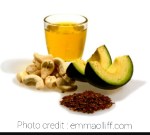
In addition to vegetable oils, such as olive, canola and soybean oils, a number of foods are naturally high in fats, like:

nuts
olives
oily fish
avocados

Good News About Sweets

Health Benefits of SweetsChocolate is a favorite sweet treat that also has health benefits. It contains flavonoids, which act as antioxidants. Antioxidants protect the body from aging caused by free radicals, which can cause damage that leads to heart disease.

While chocolate contains ingredients beneficial to health, it does not mean you should overeat chocolate. Chocolate bars and candies are often high in fat, sugar and calories. Moderation is always the key and dark chocolate conveys more benefits than milk chocolate!

Sweets and fats can contribute to optimum health due to the health promoting phytochemicals they may contain – many of which are still being identified.

References:

1. U.S. Department of Agriculture. ChooseMyPlate.gov Website. Washington DC. What are ‘oils?’ http://www.choosemyplate.gov/food-groups/oils.html. Accessed March 9, 2015.

2. Kim J, Kim J, Shim J, Lee CY, Lee KW, Lee HJ. Cocoa phytochemicals: recent advances in molecular mechanisms on health. Crit Rev Food Sci Nutr. 2014;54(11):1458-72.

3. Benzie IF, Choi SW. Antioxidants in food; content, measurement, significance, action, cautions, caveats, and research needs. Adv Food Nutr Res. 2014;71:1-53.

This article found at
http://www.healthyeating.org/Healthy-Eating/All-Star-Foods/Sweets-Fats.aspx


Tags: ,

Daily Inspirational Sip

Daily Inspirational Sip

Nutritious Eating Out

When eating out, try these tips to make choices that are consistent with your regular eating goals:

Before you leave home:
Eat a small portion of something so you don’t arrive at the restaurant overly hungry. Think about what you might order so you don’t rush into a decision at the restaurant.

When ordering:
Choose items that indicate “low-fat” or “heart healthy” to be consistent with a lower-fat meal plan.

Avoid dishes described as buttery, buttered, fried, pan-fried, creamy, scalloped, au gratin, extra crispy, sautéed, and à la mode; these will be high in fats from butter, oil, cheese, cream, or ice cream.

Order dishes that are grilled, broiled, steamed, stir-fried, roasted, and poached; these are generally much lower in fat and calories.

Ask to have your food prepared without butter or cream.

When selecting a side dish, choose steamed or raw vegetables, a baked potato, or plain rice.

Order potatoes baked, broiled, or roasted rather than fried. Ask for butter or sour cream on the side, or substitute salsa or chives.

Ask for steamed vegetables or a salad instead of fries, and fresh fruit instead of coleslaw.

Get a broth-based soup, such as minestrone or chicken noodle, which will have fewer calories than a cream soup.

Choose breads and pitas over croissants.

Order water — it’s free! Be careful of unlimited refills on soda and lemonade.
When ordering pizza, order half the amount of cheese and choose vegetable toppings. Eat one or two slices and take the rest home for another meal.

Choose seafood, chicken (without skin), or lean meat.

At a deli, pick turkey, ham, or lean roast beef, which are lower in fat than tuna salad, salami, and bologna.

Order a salad and split an entrée with a friend.

Order dressings and sauces on the side so you can control how much is used.
Ask if you may order a half-portion, or have half the meal boxed up ahead of time.

Avoid all-you-can-eat buffets. Almost everyone overeats when there is so much variety and unlimited portions.
While waiting for your meal:
Drink a full glass of water before your meal arrives.

Avoid ordering alcohol before your food arrives, since it increases your appetite.
Set a limit on bread and tortilla chips.

When eating:
Eat salads, vegetables, and fruit before the main entrée. This will fill you up and allow you to take more calorie-dense food home with you.

Eat slowly. It takes about 20 minutes for your body to realize it’s full!
If ordering dessert, split it with others at the table.

Tips for ordering at different types of restaurants:

Fast Food:
Order burgers without cheese, special sauces, and/or bacon.
Try a grilled chicken sandwich.
Don’t super-size.

Chinese:
Choose entrées with a lot of vegetables.
Avoid egg rolls and egg drop soup.

Italian:
Avoid cheese- and meat-filled pastas.
Order tomato or marinara sauces; avoid white sauces.

Mexican:
Use salsa instead of sour cream, cheese, and/or guacamole.
Try chicken fajitas.
Limit deep-fried foods such as chips, taco shells, and chimichangas.

Steakhouses:
Three to six ounces of meat is a typical portion (about the size of one to two decks of cards). Take the rest home for another meal.
Ask to have your meat trimmed of all fat before cooking.
Ribs, T-bone, and Porterhouse steaks tend to be the fattier cuts; order sirloin or tenderloin steaks for a leaner cut of meat.
Choose a garden salad instead of the Caesar salad.

This story found at http://www.uhs.wisc.edu/health-topics/healthy-lifestyle/eating-out.shtml


Tags: ,